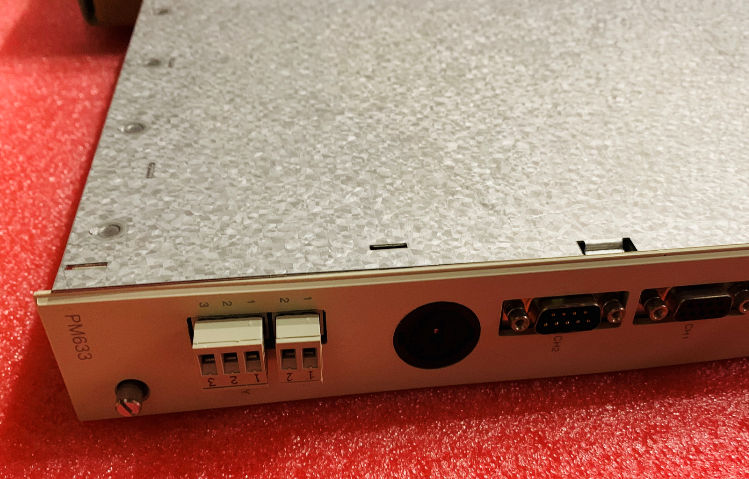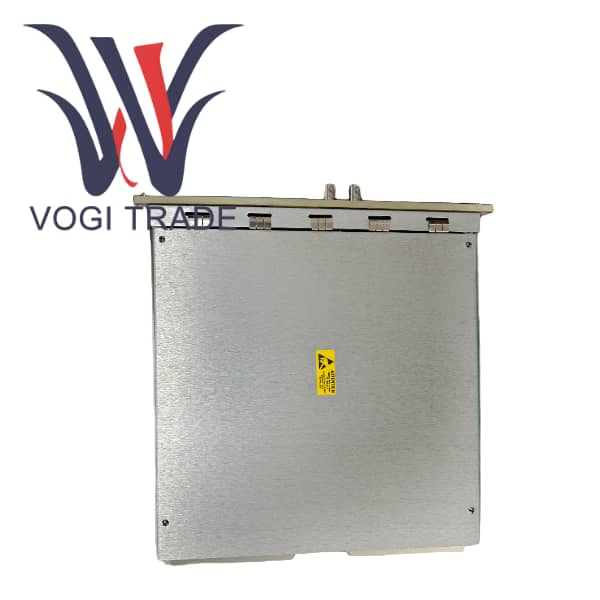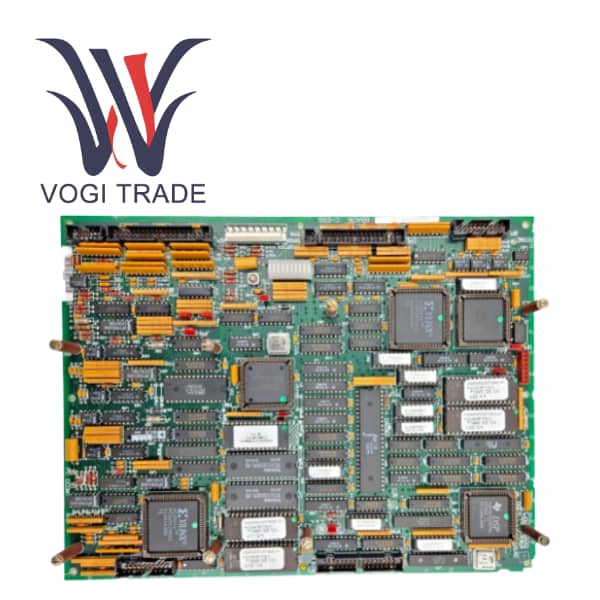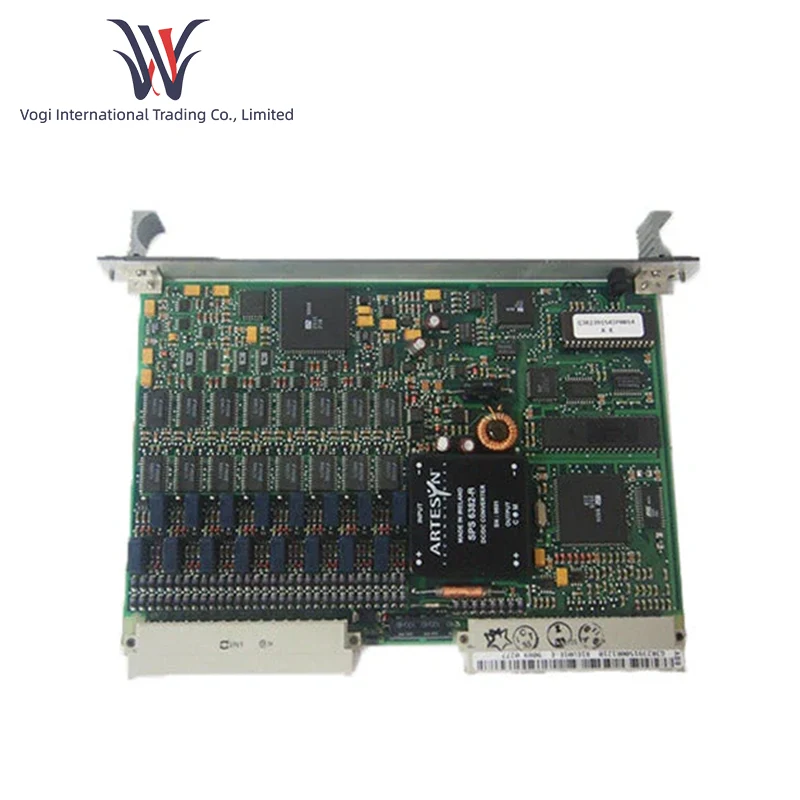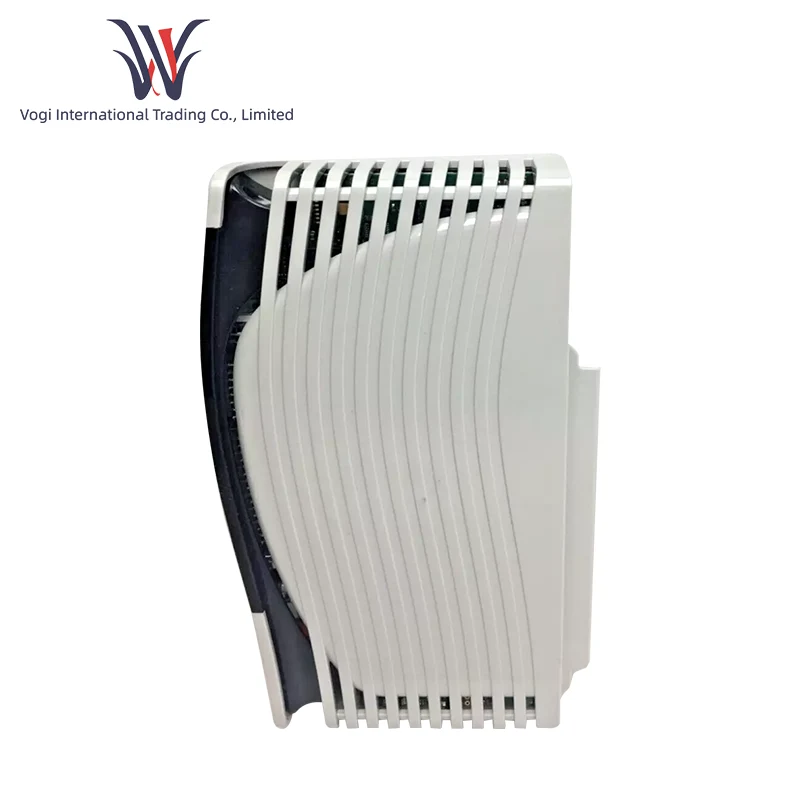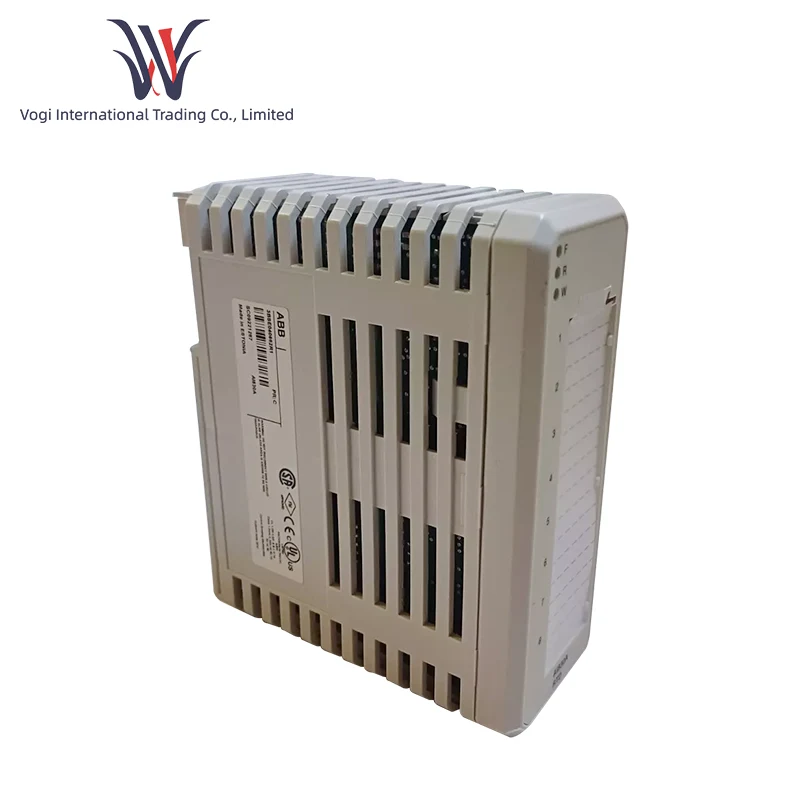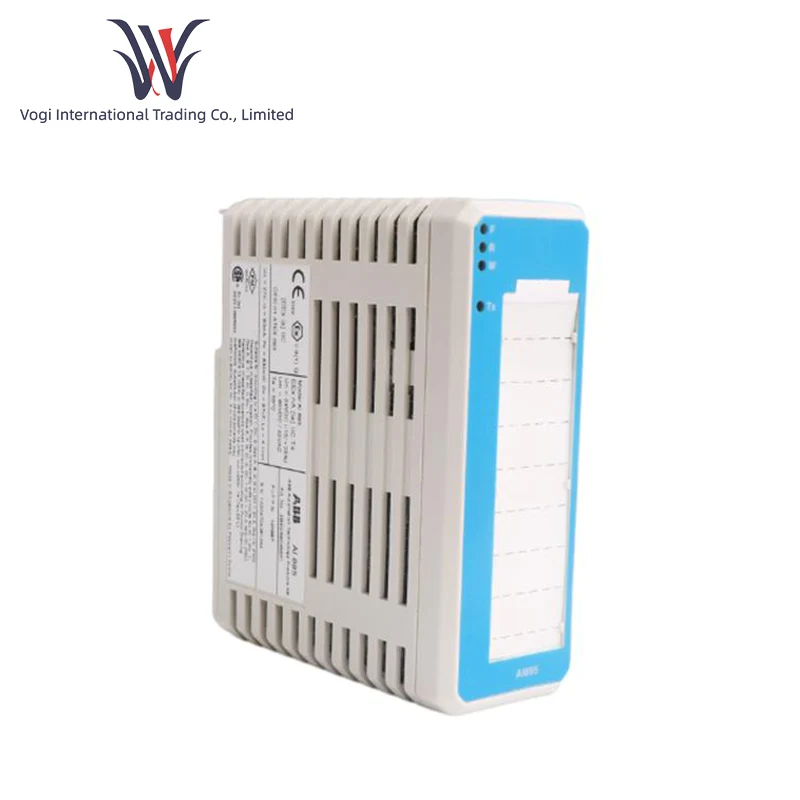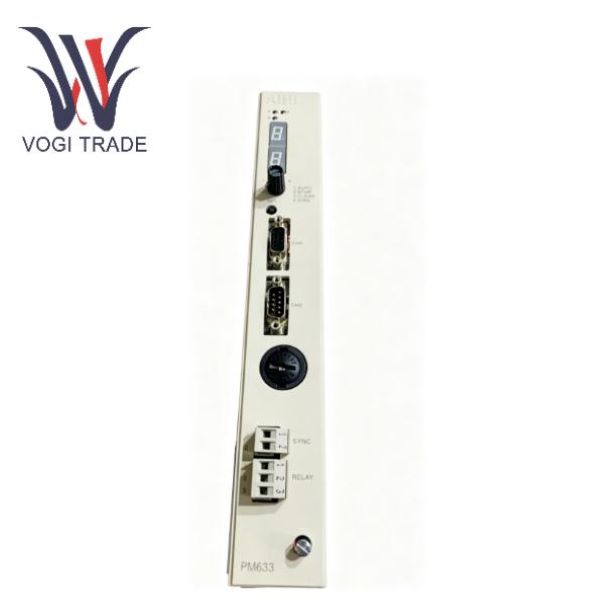
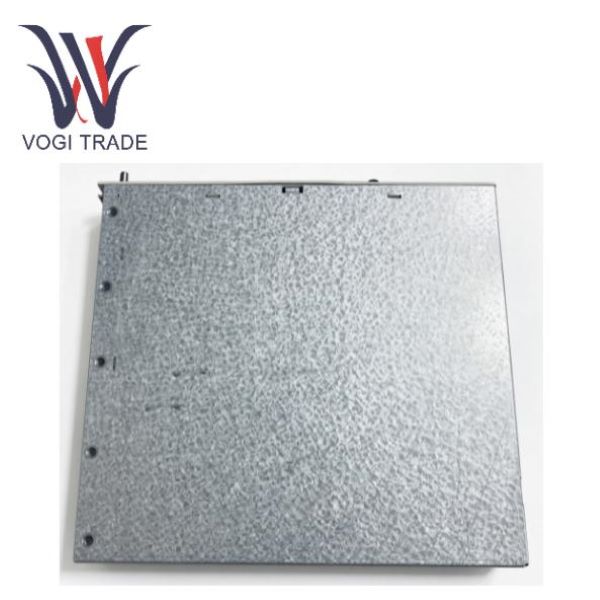
Brand: ABB Description: Processor Unit Condition: Brand New Certificate:COO TEST REPORT WARRANTY LETTER Warranty: 1 year Inventory Qty: 1 Payment Term: T/T Shipping Port: Xiamen PM633 3BSE008062R1 is the processor unit of the old DCS system of ABB Advant Master. It adopts the MOTOROLA MC68340 25MHz processor and is the controller core of the early Advant Master system. It does not support hardware redundancy. It belongs to the old model DCS main control board
ABB PM633 3BSE008062R1 is an old processor module of ABB Advant Master DCS. It adopts the MC68340 25MHz processor and is powered by DC24V. It was the main control unit of the early process control system. It can perform PID regulation, sequential logic, and safety interlock, collect on-site process signals and drive on-site actuators. Supports SOE event recall and hardware self-diagnosis. The lithium battery achieves variable retention upon power failure. Communication is completed through the MasterBus300 bus and serial port. This module does not support hardware redundancy and was mostly used in the old DCS devices of existing thermal power, chemical and metallurgical industries. It has now been discontinued and is only used as a spare part for the original system.
|
Manufacture |
ABB |
|
Model Number |
PM633 |
|
Ordering Number |
3BSE008062R1 |
|
Catalog |
Processor Unit |
|
Country Of Origin |
Sweden |
|
HS CODE |
85389091 |
|
Dimension |
25.45*27*4CM |
|
Packing Dimension |
30*30*5CM |
|
Weight |
2.8Kg |
Core Product Features
1. Real-time control logic operation execution control program, completing switch quantity interlock, sequential control, analog quantity PID closed-loop regulation, and process mathematical operations; Support multi-task cycle scheduling to achieve continuous adjustment of process parameters.
2. On-site data acquisition and preprocessing: The temperature, pressure, liquid level, flow rate, and switch status signals collected by the I/O module are read through the backplane bus of the rack. Complete signal filtering, engineering quantity conversion, alarm judgment, and store events and alarm records.
3. Multi-channel communication interaction: PM633 is equipped with communication interfaces such as serial ports, supports Advant Master dedicated bus protocols like MasterBus300, and can be connected to field I/O and upper-level operator stations. Realize two-way data transmission between on-site instruments and upper-level monitoring.
4. Hardware self-diagnosis and status indication: Continuously self-check CPU, memory, power supply, and backplane bus. The LED indicator lights on the panel display the operation, fault and communication status. Fault information is locally locked and uploaded to the monitoring screen for convenient troubleshooting. It is equipped with overvoltage and overcurrent protection.
5. Program and Variable retention after Power failure: PM633 comes with a built-in backup lithium battery. Real-time variables and set values in RAM are retained after power failure. Flash stores firmware and user control programs. When powered on, it automatically loads the program and resumes operation.
6. SOE event sequence recording can capture the timing sequence of switch quantity changes, with high-precision timestamp recording, and is used for accident recall and fault timing analysis
How to use
1. Hardware Installation
2. Software Configuration and Programming
Use the Advant Master's accompanying configuration software; connect the computer to the PM633 via serial port:
1. Hardware Configuration: Configure the rack I/O modules and bus parameters in the software.
2. Control Logic Writing: PID regulation, sequential control, and interlocking programs.
3. Offline Verification: Compile the program and download it to the module's memory.
4. Online Monitoring: View variables, modify parameters, and debug the control loop.
3. Commissioning and Maintenance
1. First, test the logic under no-load conditions without field actuators to verify the program, then gradually commission the field equipment and tune the PID;
2. Conduct daily inspections to check the panel LED status and read the fault log;
3. Regularly replace the backup lithium battery to prevent loss of data retention variables during power outages;
4. For module failures, the spare part can be replaced by rack-mounting and reinstalling the module to restore functionality.