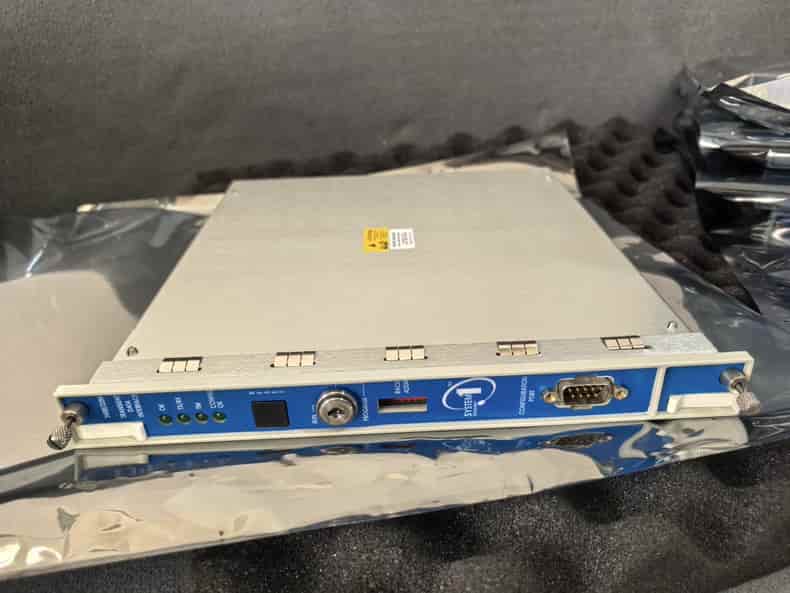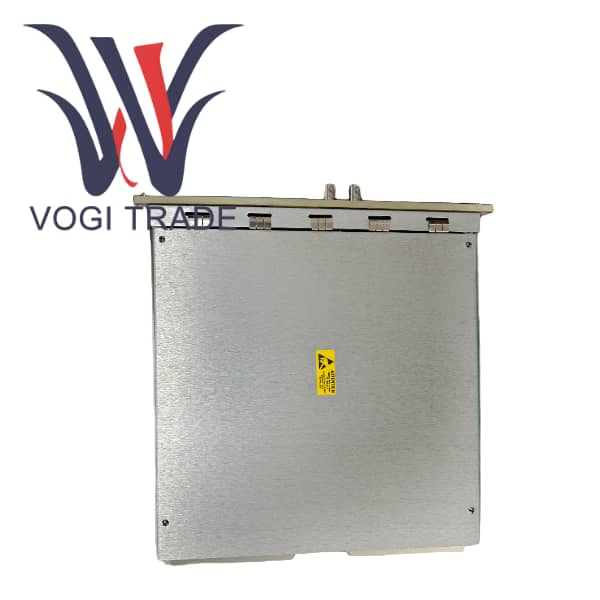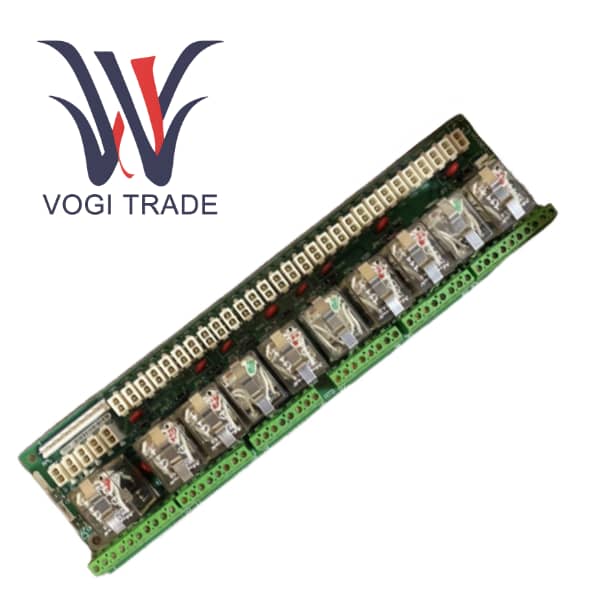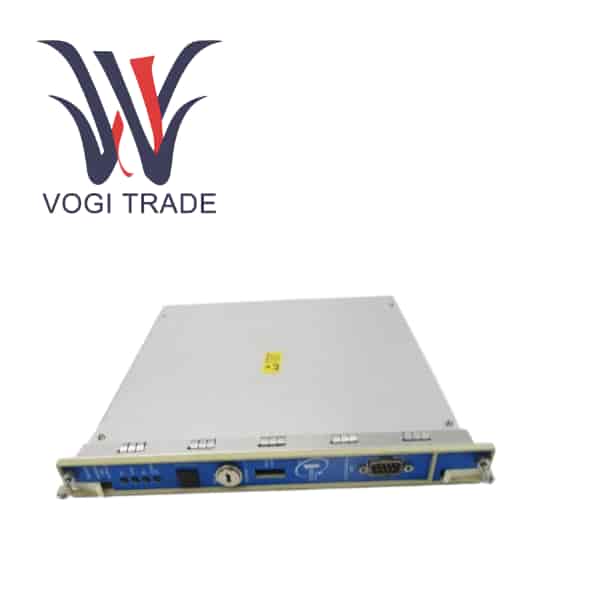
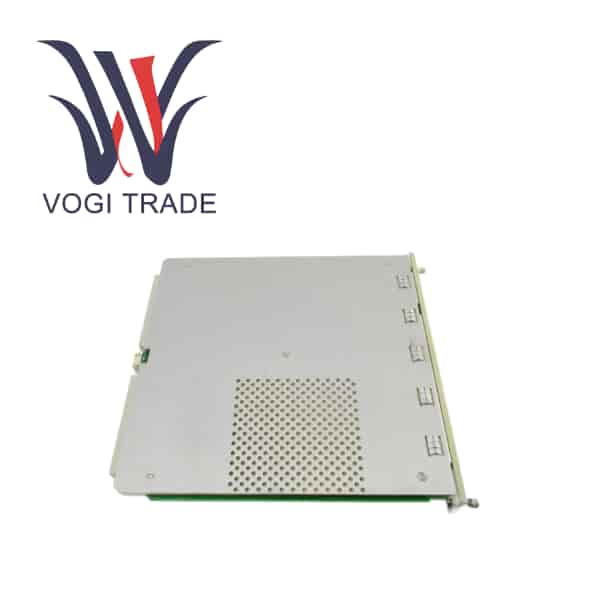
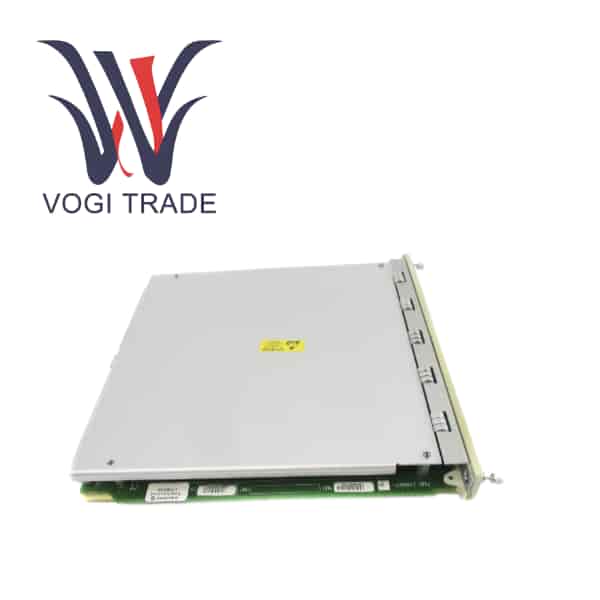
Brand: Bently Nevada Description: Condition:New Certificate:COO TEST REPORT WARRANTY LETTER Warranty:1 year Inventory Qty:19 Payment term:T/T Shipping Port:Xiamen 138607-01 is a dedicated fiber Ethernet communication interface module for the Bently Nevada 3500 series mechanical condition monitoring system. For an I/O module installed on the backplane of the 3500 rack, specifically designed to provide a 100Base-FX fiber Ethernet physical interface.
Product Overview
138607-01 is a dedicated fiber Ethernet communication interface module for the Bently Nevada 3500 series mechanical condition monitoring system. For an I/O module installed on the backplane of the 3500 rack, specifically designed to provide a 100Base-FX fiber Ethernet physical interface.
As the physical arm of the communication processor, it is responsible for converting digital signals within the rack into optical signals and transmitting them via fiber optic cables to the switch or engineer station in the control room. It mainly addresses communication issues in industrial sites with severe electromagnetic interference or long transmission distances.
This module is a half-height module and is typically installed in a specific I/O slot on the back of the rack, connected to the front TDI/RIM module through internal cables.
|
Manufacture |
Bently Nevada |
|
Model Number |
3500/22M |
|
Ordering Number |
138607-01 |
|
Catalog |
3500 |
|
Country Of Origin |
USA |
|
HS CODE |
8473309000 |
|
Dimension |
24cm*2cm*24cm |
|
Packing Dimension |
26cm*2cm*26cm |
|
Weight |
0.9kg |
On-site case
Integration of the Distributed Control System of a Large Coal-fired Power Plant
The turbine monitoring system of the power plant is installed in the turbine room, while the central control room is 800 meters away from the turbine room. 138607-01 100Base-FX Optical I/O Module
The engineer installed the 138607-01 module behind the 3500 rack and the 3500/22M communication processor in the front. An 800-meter multimode optical cable was laid, with one end connected to the 138607-01 module behind the rack and the other end connected to the fiber interface of the control room switch. During the operation of the unit, key data such as shaft vibration and bearing vibration are processed by TDI, then converted by 138607-01 into optical signals, and transmitted without loss through the optical fiber to the System 1 software in the control room. Despite the huge excitation current interference on site and the long distance, the optical link remains unobstructed, ensuring that the upper computer can monitor the unit status in real time and accurately.
Comparison of similar products
138607-01 100Base-FX vs 138131-xxx 10Base-T/100Base-TX
Difference
138607-01 Uses optical fibers, with a transmission distance of approximately 2km, strong anti-interference ability, but the cost is higher. It requires an optical fiber transceiver or an optical fiber switch; 138131 is a common RJ-45 electrical port module, using standard network cables, with a transmission distance of only 100 meters, susceptible to interference, but the cost is low, and the interface is universal.
Selection suggestion
If the distance is less than 100 meters and the interference is low, choose 138131; if the distance is more than 100 meters or the interference is high, definitely choose 138607-01.
138607-01 vs 161756-xxx 100Base-FX I/O Module
Difference
138607-01 is an early or specific configuration order number, while the 161756 series usually refers to a component package with a specific length of fiber optic cable. Functionally, they are both 100Base-FX modules, but there may be slight differences in the physical interface or the included cable accessories.
Product update and technological development
From 3500/20 to 3500/22M, the earlier 3500 system used the 3500/20 RIM module, which had relatively weak communication capabilities. With the launch of 3500/22M, the demand for bandwidth increased, and the 100Base-FX optical module became the standard configuration to support high-speed transmission of transient data.
Interface standardization. The earlier optical interfaces were rather chaotic. Now they are gradually unified into MT-RJ or the more mainstream SFP modular interfaces.
The future trend is that although optical communication is the mainstream, the new generation of systems now tend to use smaller-sized SFP Small Form-factor Pluggable optical modules, making the interfaces more flexible and supporting hot-swappable replacement of modules of different wavelengths or distances.