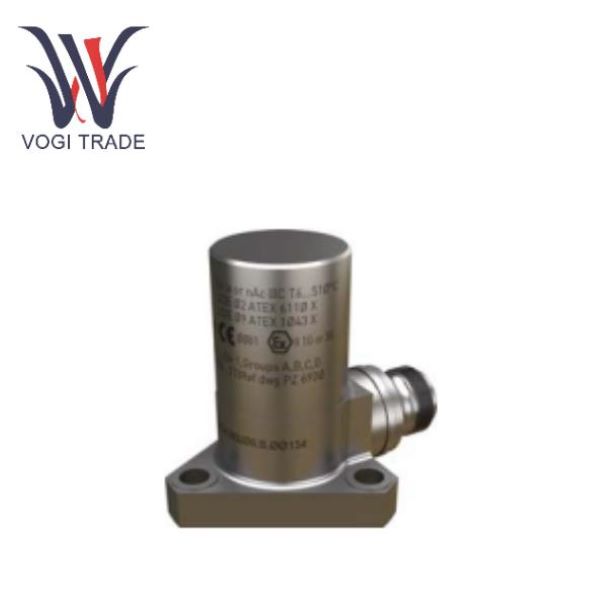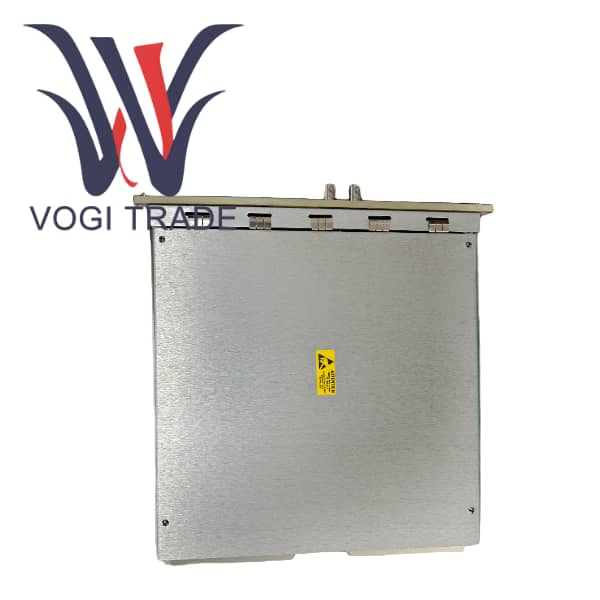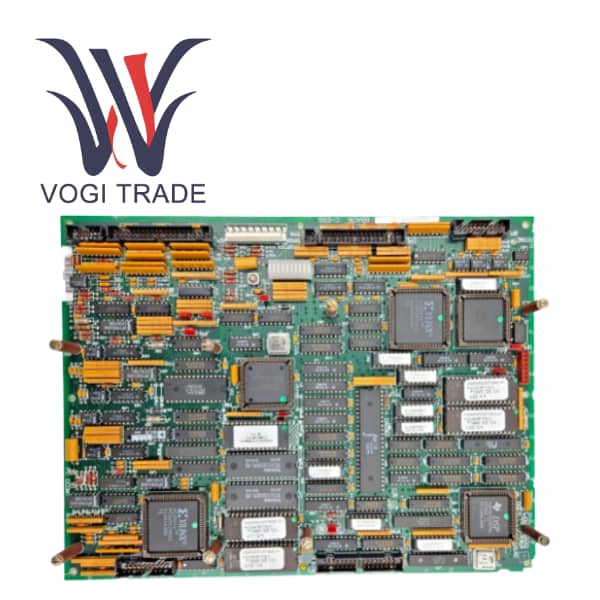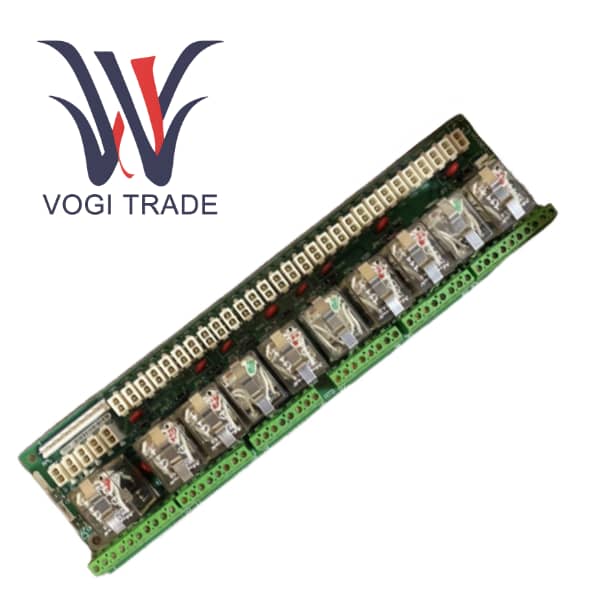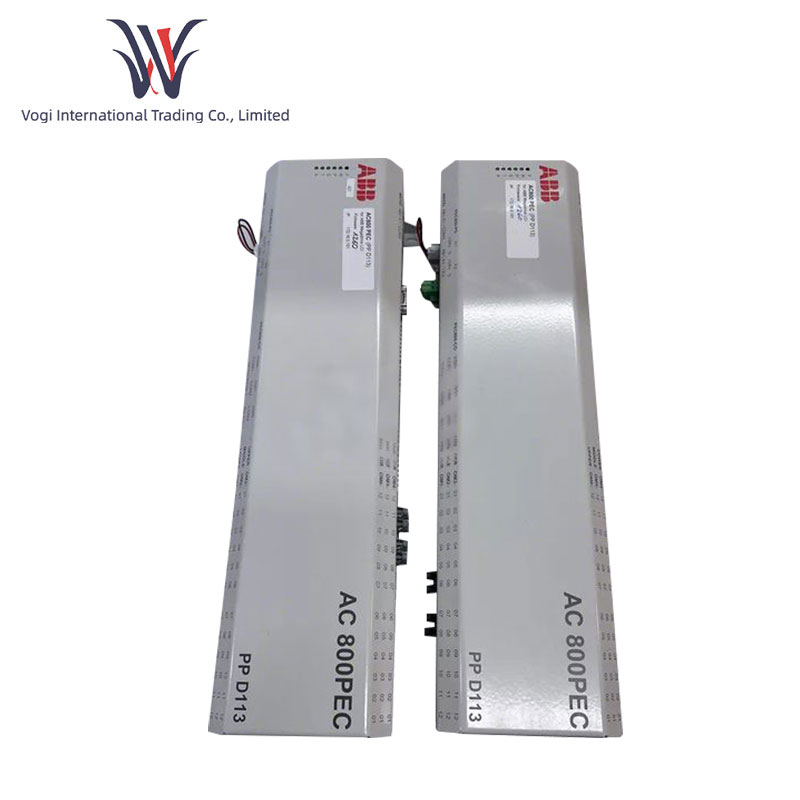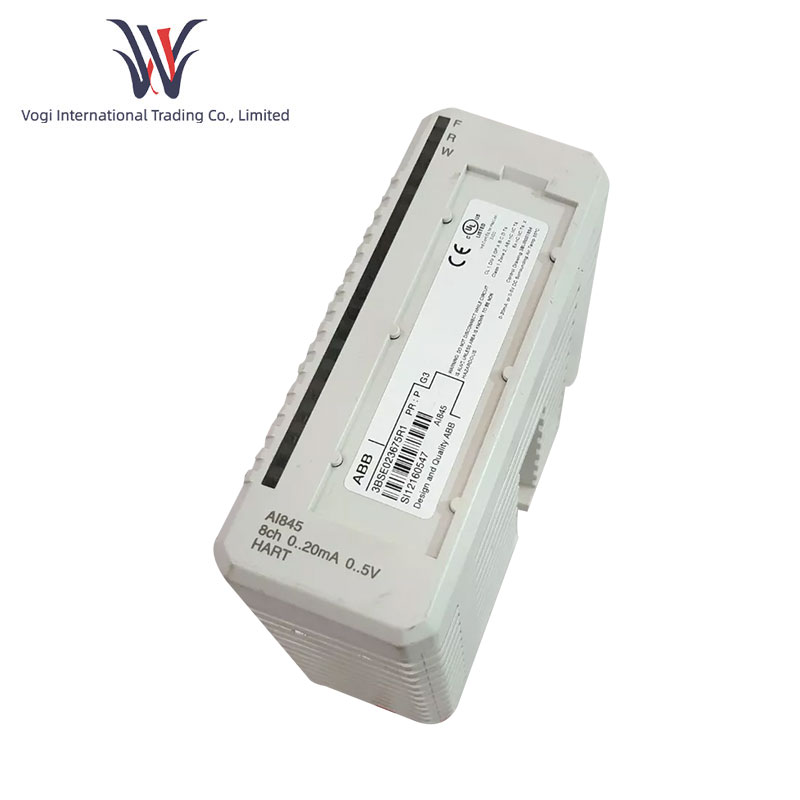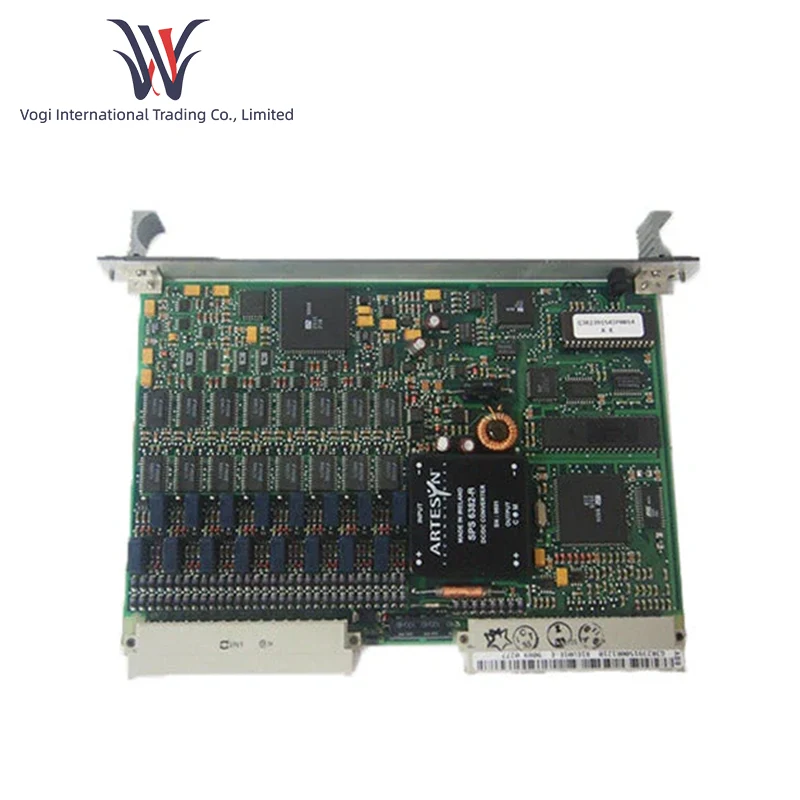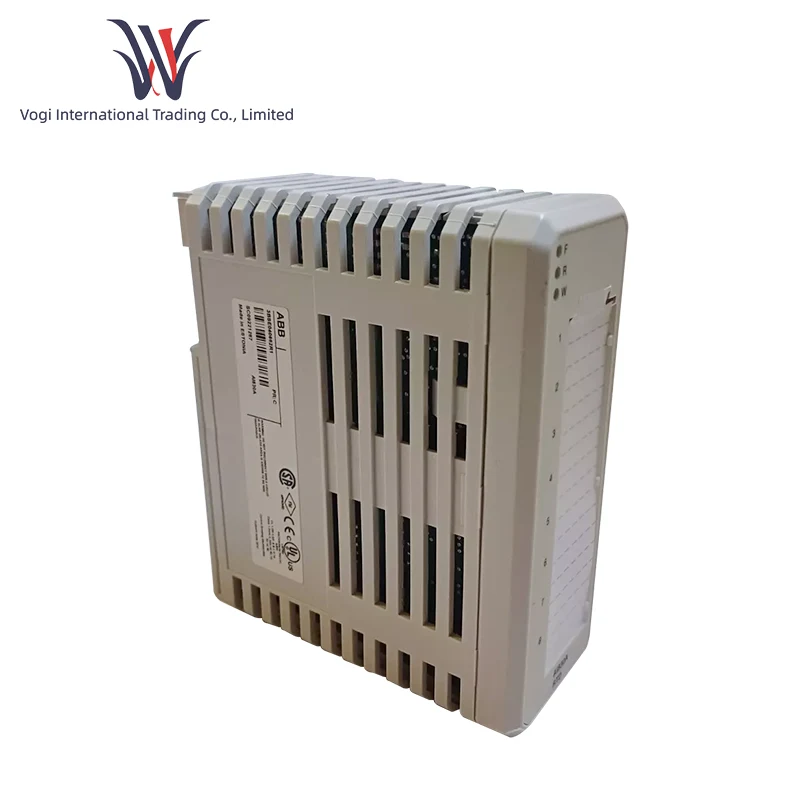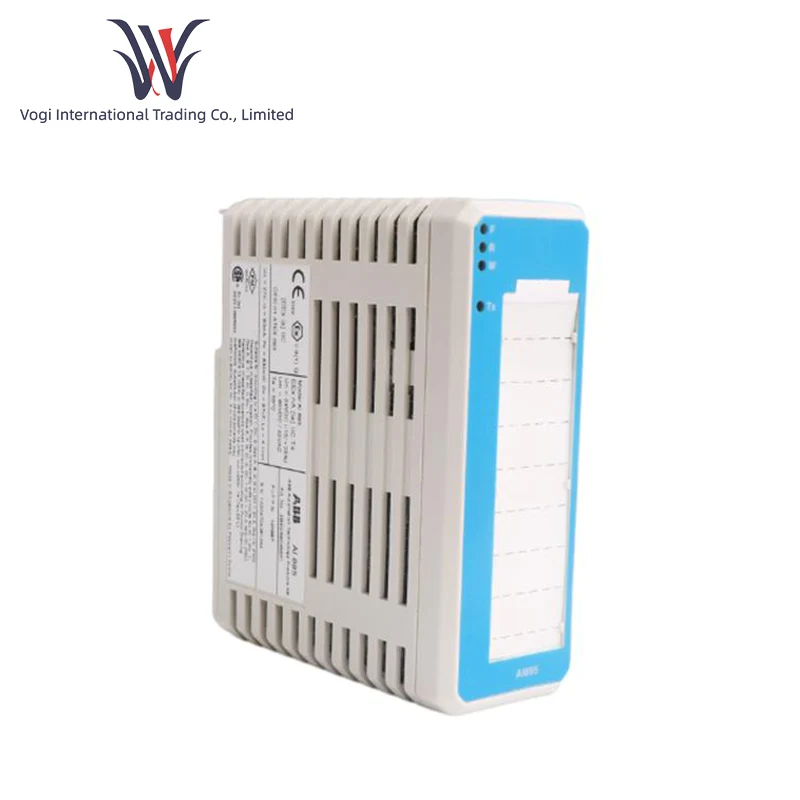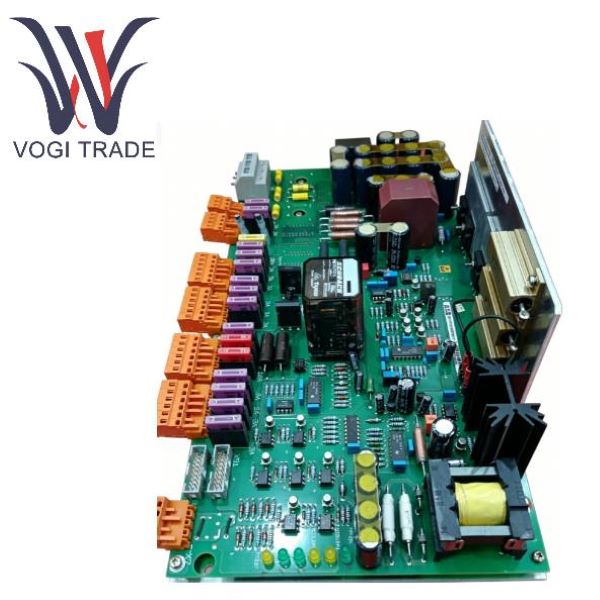
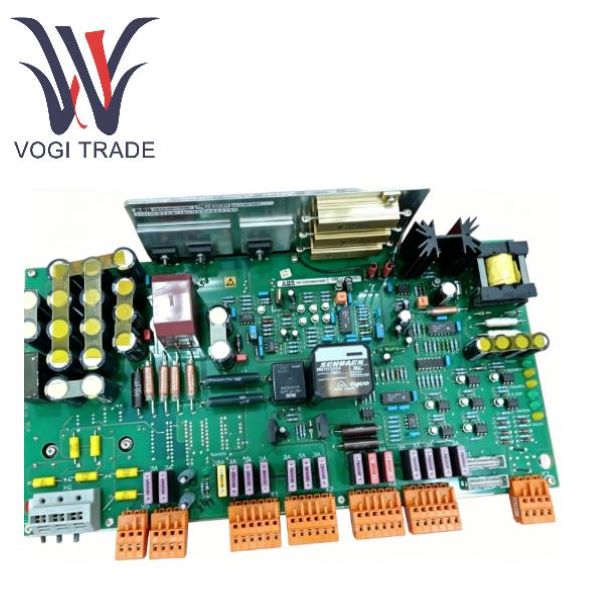
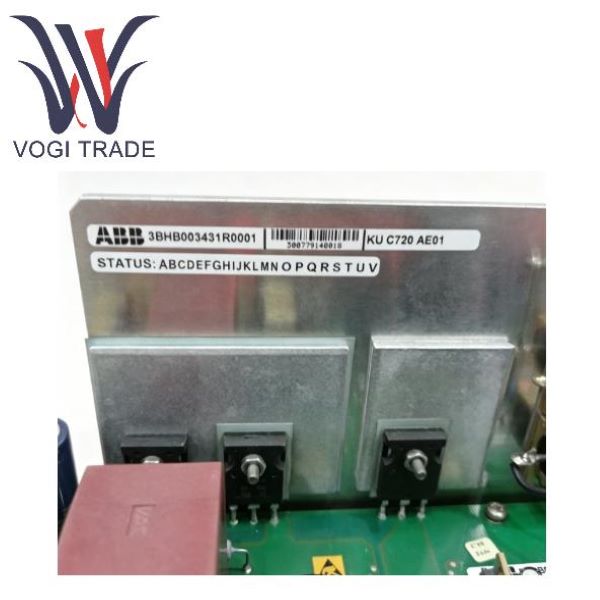
Brand: ABB Description: Power Control Drive Board Condition: Brand New Certificate: COO TEST REPORT WARRANTY LETTER Warranty: 1 year Inventory Qty: 7 Payment Term: T/T Shipping Port: Xiamen ABB KUC720AE01 is a high performance control module for industrial automation and power control applications. It ensures reliable power distribution, enhances system connectivity, and supports a variety of industrial communication protocols.
ABB KUC720AE01 3BHB003431R0001 is the main control power drive board of UNITROL excitation system, used in conjunction with the UNITROL 5000 synchronous generator excitation control cabinet, and belongs to the core control board card of power plants. It adopts an integrated substrate of excitation system power conversion + closed-loop control of excitation current + signal acquisition + fault protection. It is used for excitation regulation of synchronous generators in thermal power, hydropower and gas turbines to stabilize the terminal voltage and reactive power
|
Manufacture |
ABB |
|
Model Number |
KUC720AE01 |
|
Ordering Number |
3BHB003431R0001 |
|
Input power |
AC 220V/DC 110V |
|
Country Of Origin |
Sweden |
|
HS CODE |
8479909090 |
|
Dimension |
36cm*19cm*10cm |
|
Packing Dimension |
38cm*21cm*12cm |
|
Weight |
1.96kg |
Working principle
The ABB KUC720AE01 3BHB003431R0001 overall process is divided into five major steps: power supply, signal acquisition, closed-loop calculation, pulse output, and hardware protection.
Power Supply Conversion
The AC220/DC110V input from the cabinet enters the onboard switching power supply. After isolation and voltage regulation, it outputs multiple low-voltage DC channels to power all boards in the excitation controller system, serving as the power hub for the entire UNITROL 5000 system.
Grid and Generator Signal Acquisition
PT terminal voltage and CT stator/rotor current are input to the analog channel, using 16-bit analog-to-digital conversion to upload voltage, reactive power, and power factor data in real time.
Excitation Closed-Loop Regulation
A built-in hardware PI regulator compares the given voltage/reactive power setpoint with the actual acquired values:
If the terminal voltage is too low, increase the thyristor conduction angle → increase the excitation current → raise the generator voltage;
If the terminal voltage is too high, decrease the conduction angle → decrease the excitation current;
Supports three regulation modes
constant voltage, constant reactive power, and constant power factor, with automatic and seamless switching.
Trigger Pulse Output
Based on the calculated conduction angle, six synchronous pulses are output to the thyristors in the power rectifier cabinet to control the rectified output excitation DC voltage.
Hardware Protection Interlock
Real-time monitoring of excitation overcurrent, rotor overvoltage, synchronization signal loss, and power failure; if any limit is exceeded, the hardware circuit instantly blocks the trigger pulses and synchronously outputs a trip alarm signal to the unit's ETS system to prevent generator demagnetization and oscillation damage.
Comparison before and after using the board
Before Replacement (Legacy discrete excitation system / Other brand control boards)
After Replacing with ABB KUC720AE01
Installation
Installation: Attach the ABB KUC720AE01 to a DIN rail or on any flat surface with the mounting brackets provided. This needs to be securely mounted so it doesn't move around under operation.
Wiring: Connect the power supply, input/output signals, and communication cables according to the wiring diagram provided in the user manual. Use appropriate cable glands to maintain environmental protection.
Configuration:This is the process of powering on the ABB unit and configuring the settings using the interface or software offered by ABB Always configure all parameters according to your particular application needs.
Testing: After installation, perform a thorough test to verify that the unit is functioning correctly and that all connections are secure.
Application range
Manufacturing: It is used to control motors and other equipment in the production process, ensuring that things run smoothly and accurately.
Process Automation: Allows for tighter control in industries like chemicals and pharmaceuticals, improving product quality and consistency
Energy Sector: Organizes the management of electricity generation and flows across power plants and renewable energy systems to ensure reliable and efficient power generation.
Power Distribution: Maintain system reliability by driving forward stable and efficient power distribution for a range of industrial applications.