

Abstract · This article provides a detailed technical examination of the GE DS200FHVAG1ADA high voltage board, exploring its architecture, signal conditioning functions, and critical role in GE turbine control systems. The discussion covers high-voltage interface design, isolation requirements, diagnostic capabilities, and the engineering considerations that ensure reliable performance in power generation environments.
01. Board Architecture and Signal Conditioning Functions
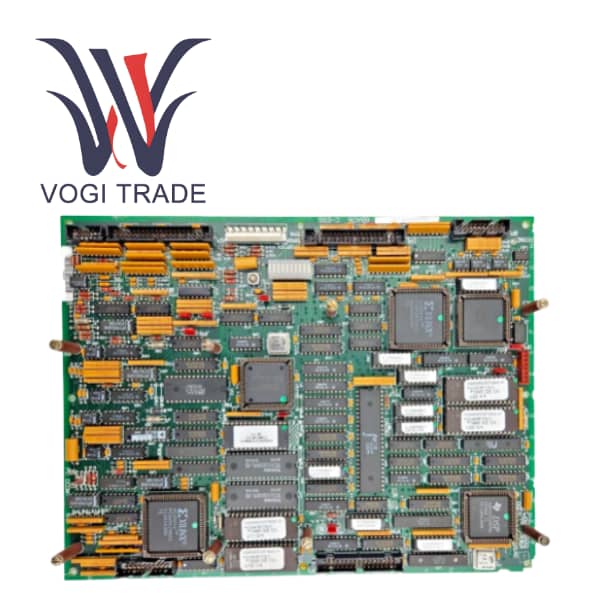
The GE DS200FHVAG1ADA is a high voltage interface board designed for use in General Electric's Mark V and Mark VI turbine control systems. The board serves as the critical link between high-voltage field signals and the low-voltage digital processing electronics of the control system.
The board's architecture includes multiple signal conditioning channels that filter, scale, and isolate high-voltage inputs before they are converted to digital signals for processing. This signal conditioning is essential for accurate measurement and for protecting the sensitive electronics from voltage transients and electrical noise. The board is designed for rack mounting within the control cabinet and interfaces with other system boards through a backplane connection.
High voltage interface board
GE Mark V and Mark VI
High-voltage signal conditioning and isolation
02. High-Voltage Interface and Isolation Design
Optocouplers or transformers provide electrical isolation between high-voltage and low-voltage circuits
Resistive dividers and amplifiers scale high-voltage signals to levels suitable for ADCs
RC filters and common-mode chokes suppress electrical noise from the field
Metal oxide varistors and TVS diodes protect against voltage spikes
The high-voltage interface of the GE DS200FHVAG1ADA is designed to withstand the electrical stresses present in turbine control environments. Galvanic isolation is a key feature, preventing high-voltage transients from damaging the low-voltage processing electronics and ensuring the safety of personnel. The isolation barrier also breaks ground loops that could introduce noise into the measurement signals.
Isolation Note: The isolation voltage rating of the board is a critical specification. It determines the maximum voltage that can be safely applied between the field wiring and the control system electronics without risk of breakdown.
03. Diagnostic Capabilities and Fault Reporting
The board incorporates diagnostic capabilities that allow the control system to monitor its health and detect faults. The GE DS200FHVAG1ADA includes self-test functions that verify the integrity of the signal conditioning channels and the isolation barriers.
- Channel Diagnostics: Each input channel can be tested for open circuits, short circuits, and out-of-range signals.
- Isolation Monitoring: The board can detect degradation of the isolation barrier, providing early warning of potential failure.
- Status LEDs: Front-panel indicators provide visual confirmation of board power and operational status.
- Fault Reporting: Detected faults are reported to the main controller through the backplane, allowing the system to take appropriate action.
- Event Logging: The control system logs diagnostic events for later analysis and maintenance planning.
These diagnostic features contribute to the high reliability of the turbine control system by enabling predictive maintenance and rapid fault diagnosis.
04. Compatibility with GE Turbine Control Systems
The GE DS200FHVAG1ADA is designed for seamless integration with GE's Mark V and Mark VI turbine control systems. These systems are widely used in power generation plants around the world for controlling gas and steam turbines.
| System | Compatibility | Application |
|---|---|---|
| Mark V | Direct replacement | Legacy turbine control systems |
| Mark VI | Direct replacement | Modern turbine control systems |
| Mark VIe | May require adapter | Latest generation control systems |
| EX2000 | Consult factory | Excitation control systems |
Based on typical compatibility information for GE turbine control boards.
The board is designed to be a form-fit-function replacement for the original equipment, allowing operators to maintain and repair existing systems without extensive modifications. This compatibility is particularly important for plants that rely on legacy GE control systems and need to keep them operational.
05. Environmental Specifications and Reliability
The board is engineered to operate reliably in the demanding environment of a power plant control room or turbine hall. The GE DS200FHVAG1ADA is built to withstand temperature variations, humidity, and electrical noise.
- Operating Temperature: Designed for 0°C to 60°C, suitable for climate-controlled control rooms.
- Storage Temperature: -40°C to +85°C for safe storage and transport.
- Humidity: 5% to 95% non-condensing.
- Vibration: Designed to withstand the vibration levels typical of industrial control cabinets.
- EMC: Compliant with electromagnetic compatibility requirements for industrial environments.
These environmental specifications ensure that the board performs reliably over its service life, contributing to the overall availability of the turbine control system.
06. Maintenance, Replacement, and Obsolescence Management
As with any electronic component in a critical control system, the GE DS200FHVAG1ADA requires proper maintenance and planned replacement to ensure continued reliable operation.
- Spare Parts Inventory: Plants should maintain a stock of critical spare boards to minimize downtime in the event of failure.
- Environmental Monitoring: Ensure that the control cabinet environment remains within the board's specified operating conditions.
- Obsolescence Management: As legacy systems age, sourcing replacement boards can become challenging. Working with a reputable supplier who specializes in legacy GE equipment is recommended.
- Testing: Boards should be tested upon receipt and periodically to verify functionality.
- Documentation: Maintain records of board replacements and repairs for maintenance history.
Frequently Asked Questions
Product specifications and availability may vary. Always consult the manufacturer's documentation for your specific application requirements.