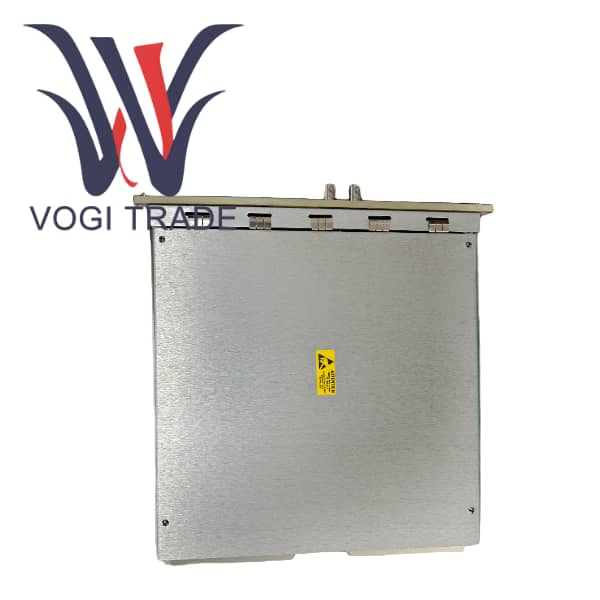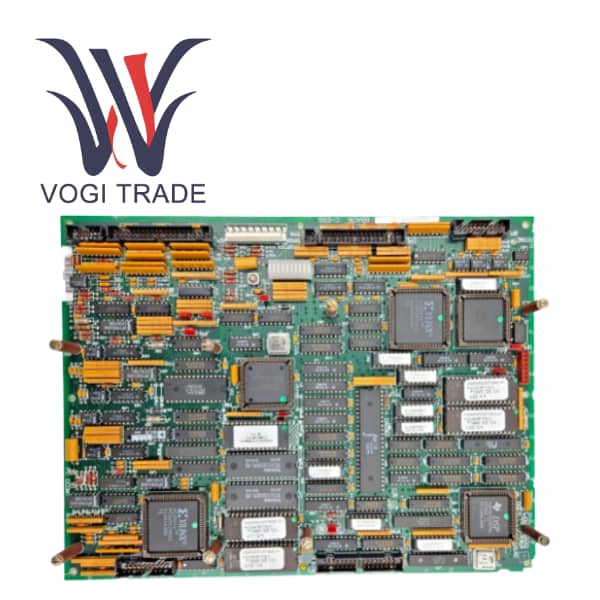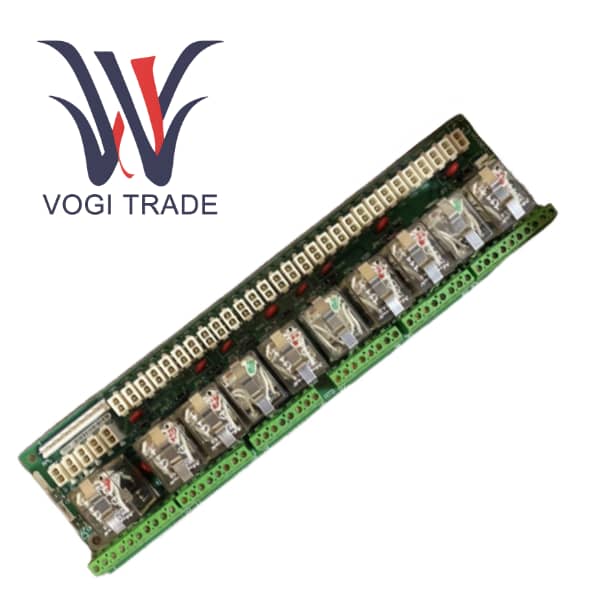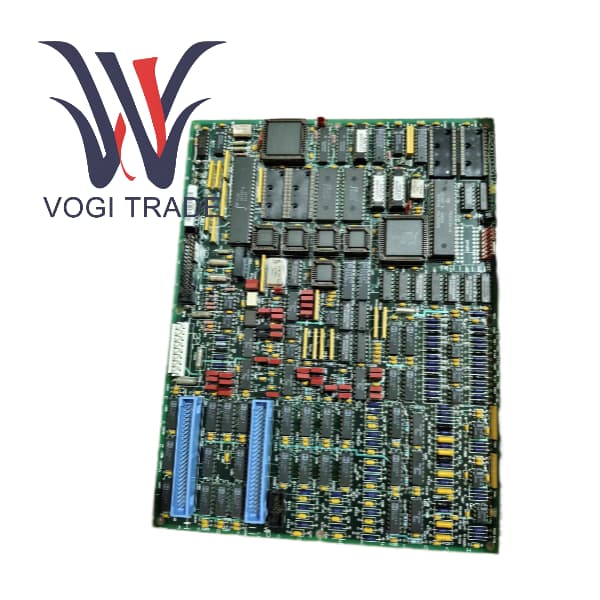
Brand: GE Description: analog I/O board Condition: Brand New Certificate:COO TEST REPORT WARRANTY LETTER Warranty: 1 year Inventory Qty: 3 Payment Term: T/T Shipping Port: Xiamen GE DS200TCCBG1ALC is a universal expansion analog I/O board designed by General Electric for its SPEEDTRONIC Mark V LM gas turbine control system which is installed at position 3 of the control core. The main function of this board is to process various analog signals from the field and convert them into digital information that the control system can understand and process.
Product Overview
GE DS200TCCBG1ALC is a universal expansion analog I/O board designed by General Electric for its SPEEDTRONIC Mark V LM gas turbine control system which is installed at position 3 of the control core. The main function of this board is to process various analog signals from the field and convert them into digital information that the control system can understand and process. At the same time, it can also convert control instructions into analog signals and output them to the actuator. The board serves as a crucial bridge connecting the physical world with the digital control system.
|
Manufacture |
GE |
|
Model Number |
DS200TCCBG1ALC |
|
Ordering Number |
DS200TCCBG1ALC |
|
Catalog |
- |
|
Country Of Origin |
USA |
|
HS CODE |
85389091 |
|
Dimension |
21.2cm*15cm*3.5cm |
|
Packing Dimension |
24cm*18cm*6cm |
|
Weight |
0.4kg |
Use Case Scenario
Guardian of the Stable Operation of Power Plants
In a 9F-class combined cycle power plant, a GE 7FA gas turbine is operating at full capacity. The DS200TCCB board card acts like an indefatigable sentinel, fulfilling its duties at all times.
Temperature monitoring is carried out through 14 RTD channels, continuously monitoring key points such as the exhaust temperature of the turbine and bearing temperatures. Any abnormal temperature rise is immediately captured and triggers alarms or load reduction protection.
Power parameters are safeguarded by receiving signals from PT and CT, and real-time calculating the active and reactive power output of the generator. These data are not only displayed on the operator's screen but also serve as core feedback signals for turbine load control and grid synchronization.
Auxiliary systems, which sense multiple pressure and level transmitters in the plant, are also connected to the TCCB. For instance, if the lubricating oil pressure signal drops below the safety threshold, the TCCB will immediately report this information and trigger an emergency shutdown procedure to prevent expensive turbine bearings from being damaged due to lack of oil.
It is precisely with the reliable and precise I/O board card like the DS200TCCBG1ALC that the complex Mark V LM control system can conduct comprehensive monitoring and protection of the turbine, ensuring the safe, efficient, and stable operation of the power plant.

Problems encountered during use
Signal interference
In power plants with complex electromagnetic environments, analog signals are prone to interference, resulting in drift or jumps in readings. Good shielding and grounding are crucial.
Configuration errors
If an incorrect scale number is selected for the RTD channel in the I/O configurator, it will cause a significant deviation in temperature readings.
Terminal board jumper settings
On the TBCB terminal board, there are hardware jumpers for setting the range of mA signals. If the jumper settings do not match the output of the on-site transmitter, the signal will not be read correctly.
Board card failure
Although the design is robust, when working in high-temperature and high-humidity environments for a long time, the components on the board may still age or fail, manifesting as abnormal channel readings, board card communication interruptions, etc.
Replacement and Compatibility
Official Replacement
The safest alternative is to use a new board of the same model DS200TCCB. GE may release a hardware revision version with suffixes such as G1, ALC, etc. as long as the main model is the same, they are usually compatible.
Functional Replacement
In non-Mark V systems or renovation projects, you can consider using a third-party universal I/O module to achieve similar functions. However, this requires redesigning the wiring and writing control logic, which is extremely labor-intensive. It is usually only considered when upgrading the entire system.