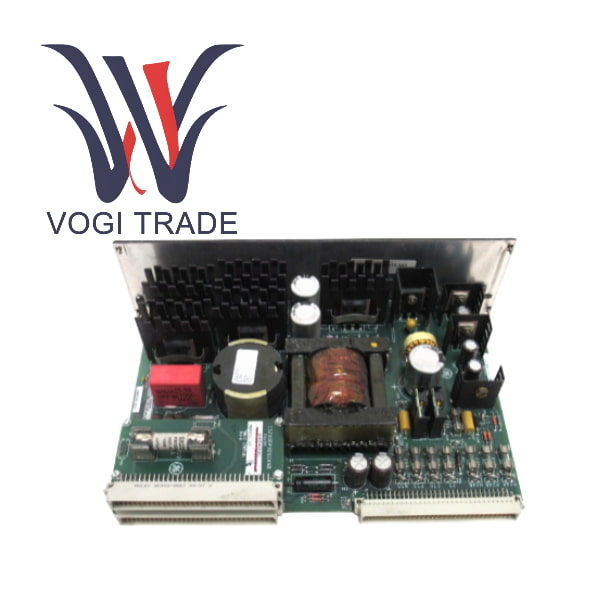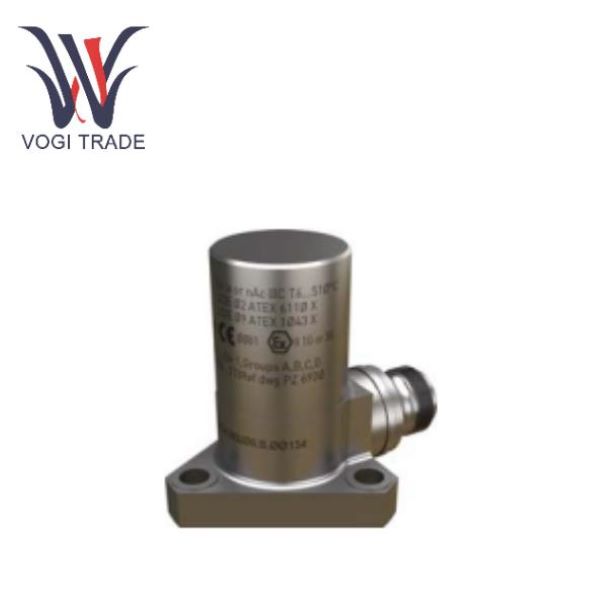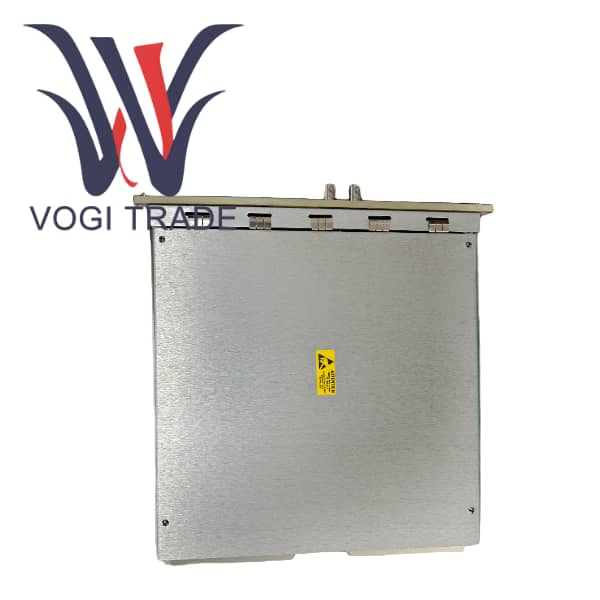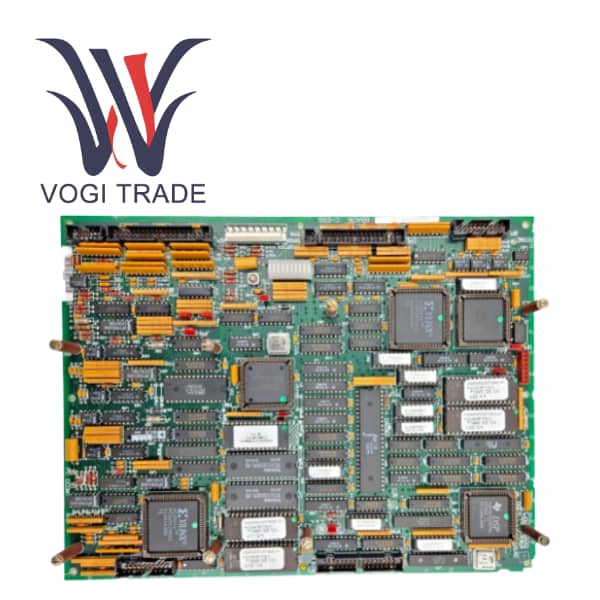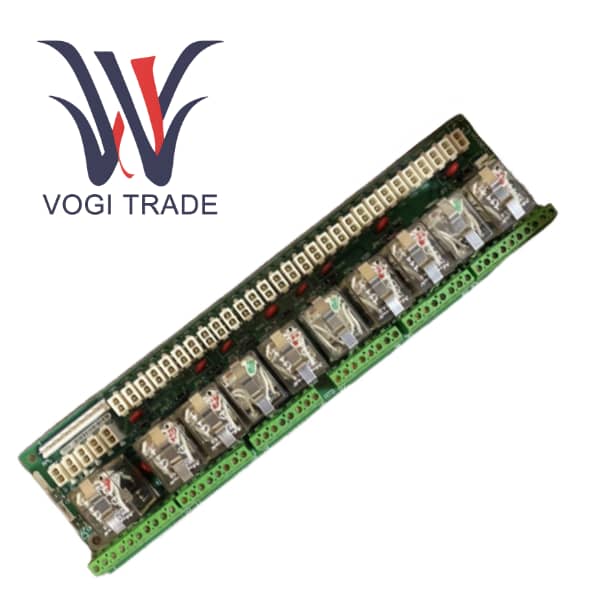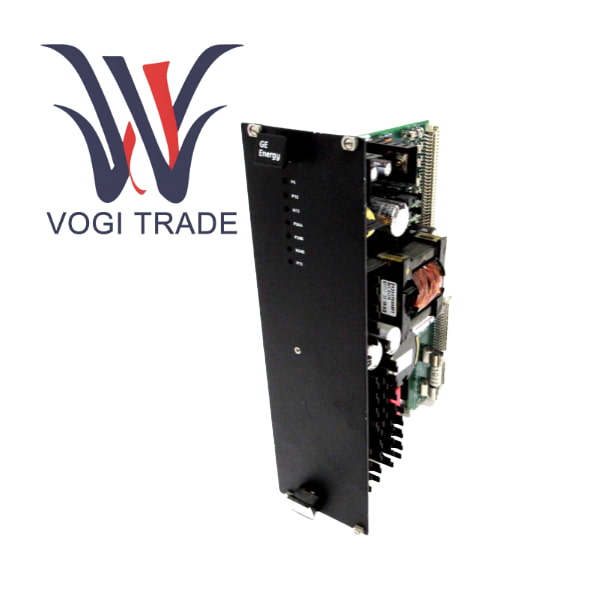
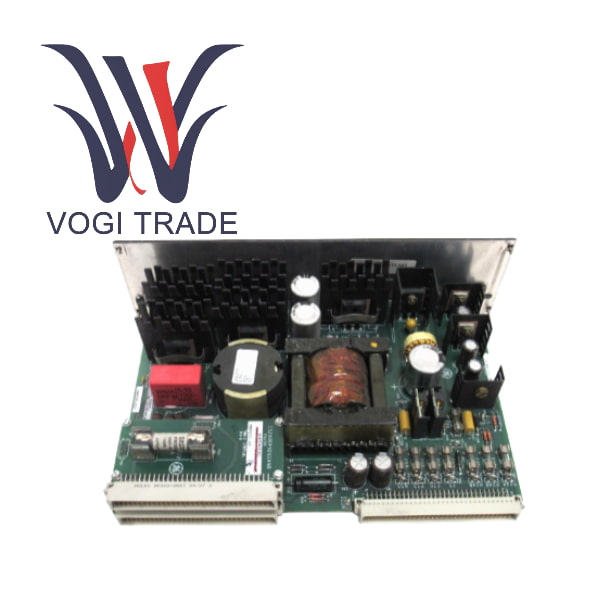
Brand: GE Description: Analog Input Modules Condition: Brand New Certificate: COO TEST REPORT WARRANTY LETTER Warranty: 1 year Inventory Qty: 3 Payment Term: T/T Shipping Port: Xiamen GE IS200EPSMG2AED is a dedicated network monitoring and diagnostic module designed by General Electric for its advanced Mark VIe and Mark VIeS turbines and process control systems.
|
Manufacture |
GE |
|
Model Number |
IS200EPSMG2AED |
|
Ordering Number |
IS200EPSMG2AED |
|
Catalog |
GE Mark VIe |
|
Country Of Origin |
USA |
|
HS CODE |
8473309000 |
|
Dimension |
16*11*4CM |
|
Packing Dimension |
18*13*6CM |
|
Weight |
0.8kg |
Product Overview
GE IS200EPSMG2AED is a dedicated network monitoring and diagnostic module designed by General Electric for its advanced Mark VIe and Mark VIeS turbines and process control systems. Its official name is "Ethernet Pack Status Monitor". This module is not a conventional data processing or I/O module; rather, as a crucial network health sentinel in the entire Mark VIe distributed I/O architecture. The core function of IS200EPSMG2AED is to continuously and independently monitor the status of the Ethernet communication links between all I/O processor modules and controllers within the local I/O package. By real-time detection of each I/O module's heartbeat signal or data packet activity, EPSM can identify problems immediately upon communication failure and issue a hardware-level alarm signal through its relay output contacts. This signal can be directly connected to the main alarm system or a higher-level controller, ensuring that even if the upper-level software is completely ineffective, the module can promptly notify the operator that a serious communication interruption has occurred in the I/O package, thereby ensuring the high availability and fault safety characteristics of the system.
Product Updates and Technological Development
In the early days, DCS/PLC systems heavily relied on software diagnostics. Once the controller failed, the "eyes" of the entire system went blind.
The Mark VIe era introduced the EPSM board, which was a significant leap in engineering philosophy and embodied the safety concept of "hardware as the backup". This design was very successful throughout the entire lifecycle of the Mark VIe system.
Current and Future
The core functions of the EPSM are continued in the Mark VIeS system, and may even be strengthened.
In future versions, the functionality may be integrated while maintaining the independence of the hardware, adding a simple Ethernet interface to report more detailed diagnostic information to the upper system, but its core dry contact alarm function will always exist as the most reliable backup means.
As a pure hardware monitor, EPSM itself has almost no cybersecurity risks, which is a huge advantage in today's OT environment.
Installation Guide
Determine which key local I/O packages require EPSM boards. Usually, all I/O packages used for safety protection and main control circuits should be installed.
Insert the IS200EPSMG2AED into any available I/O slot of the local I/O package.
Securely fix it with screws.
Connect the alarm output wiring to the common terminal of the EPSM board, connecting the power supply of the factory main alarm system.
Connect the alarm input wire to the normally closed contact of the EPSM board.
Note that the wiring must be firm and clearly marked.
Power on and verification
Power on the I/O package.
Check the normal state by observing that the green OK LED of the EPSM board should be constantly on, and the red FAULT LED should be off. At this time, measure the NC contact with a multimeter, and it should be open.
Fault simulation test Under conditions where safety is permitted, you can remove any I/O module from the I/O package.
Expected result The red FAULT LED of the EPSM board should immediately light up, and the NC contact should close, triggering the corresponding alarm on the main alarm panel.
Recovery test Insert the removed module back into the system, and the system should return to normal. The alarm should reset.
Related product recommendations
Complementary hardware
The Mark VIe Local I/O Pack EPSM board must be installed in this type of chassis
The IS200JPDHG1 main power distribution module supplies power to the I/O package
Monitored objects
The IS200VAICH1A analog input module
The IS200VVIBH1A vibration input module
The IS200PRTDH1A RTD input module
Alarm receiving equipment
The factory main alarm panel
Digital input cards of higher-level DCS/PLC controllers