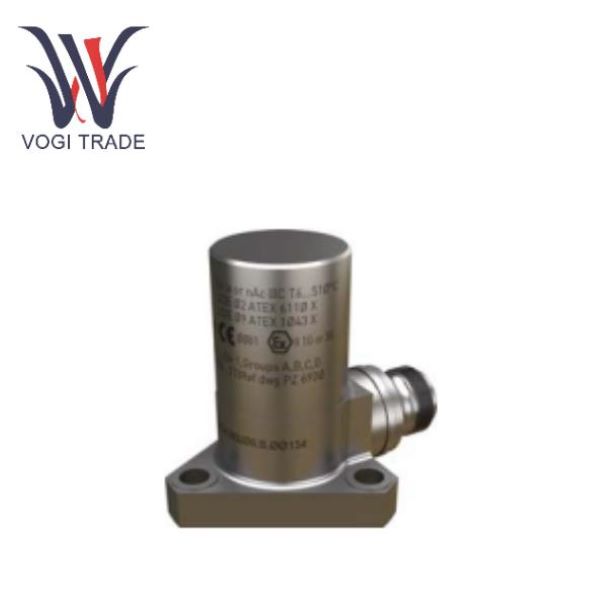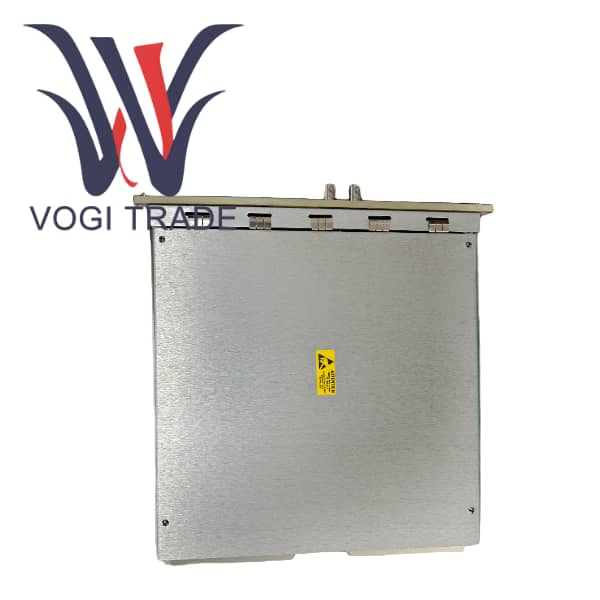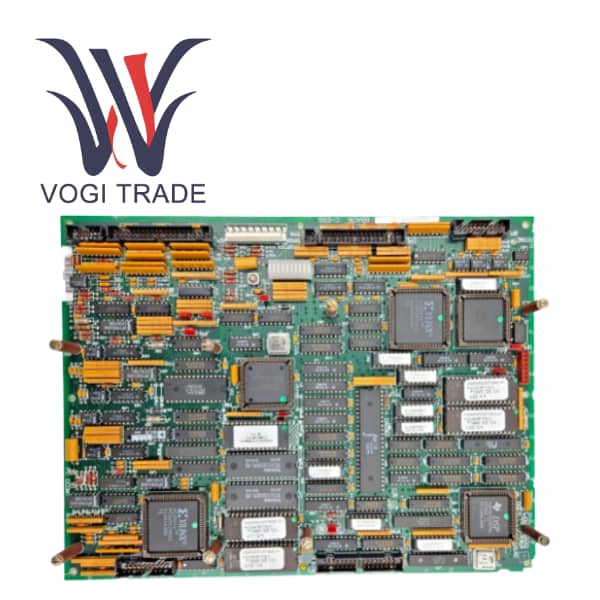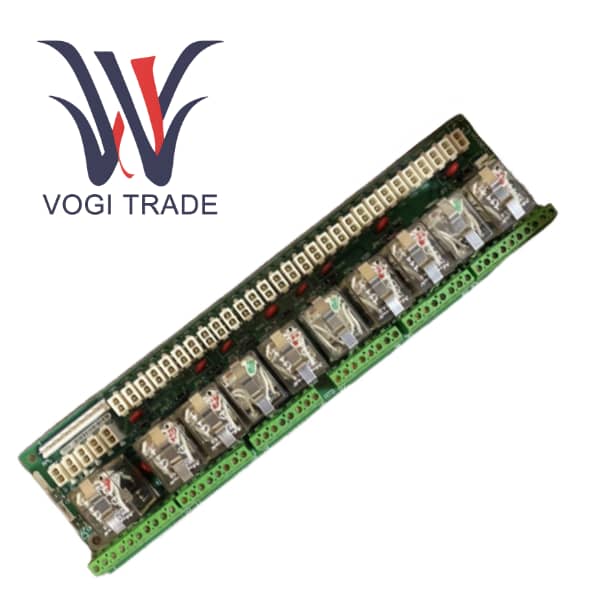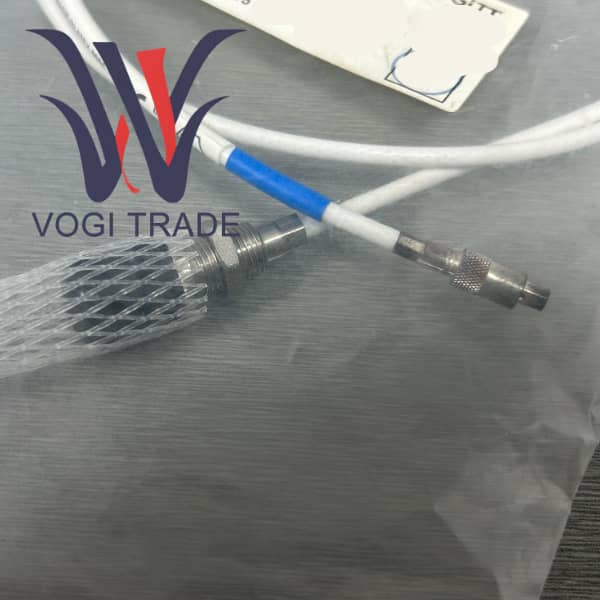
Brand: Vibro-Meter Description:Proximity Transducer Condition: New Warranty: 1 year Inventory Qty: 1 Payment term: T/T Shipping Port: Xiamen TQ412 111-412-000-012-A1-B1-E050-F2-G050-H05 is an industrial vibration monitoring module produced by Vibro-Meter, mainly used for vibration protection and monitoring of rotating machinery.
|
Manufacture |
Vibro-Meter |
|
Model Number |
TQ412 |
|
Ordering Number |
111-412-000-012-A1-B1-E050-F2-G050-H05 |
|
Catalog |
Probes & Sensors |
|
Country Of Origin |
Switzerland |
|
HS CODE |
8537109090 |
|
Dimension |
26.2cm*12.5cm*2cm |
|
Packing Dimension |
28.2cm*14.5cm*4cm |
|
Weight |
0.3kg |
Product Overview
This customized model TQ412 111-412-000-012 A1-B1-E050-F2-G050-H05 precisely defines its physical and environmental configurations:
A1: Standard environment version, suitable for non-hazardous areas
B1: It adopts metric thread M10 x 1, which is one of the most common installation interfaces in the field of industrial automation and is convenient to integrate into the standard probe mounting seat
E050: The integrated cable length is 5.0 meters
F2/G050: Equipped with a flexible stainless steel protective hose with FEP sheath, and the length of this hose is 5.0 meters. According to the manual notes, this length ensures that the entire integrated cable from the sensor body to the connector is fully protected by mechanical and chemical means.
H05: The total system length of the entire measurement chain is 5 meters. Since the integrated cable is already 5 meters long, this means that no additional EA402 extension cable is required.
Comparison of Advantages and Disadvantages
Advantages
Industry compliance and system reliability
API 670 compliance is one of the most core advantages of this product. API 670 is the "gold standard" for mechanical protection systems in the oil, gas and power industries. Using the compliant TQ412/IQS450 system means that your equipment protection plan has been recognized by industry authorities and can meet the mandatory requirements of insurance, safety audits and factory regulations.
Intrinsically safe explosion-proof certification options: Although this model is the standard version, the same series provides Ex i and Ex nA certifications, which can be directly used in hazardous areas such as Zone 0/1/2 without additional isolation barriers, simplifying the system design and enhancing intrinsic safety.
System-level calibration and interchangeability: The entire measurement chain probe, cable, and regulator are calibrated as a whole. This means that when replacing any component on site, as long as the model matches, there is no need to re-perform complex on-site calibration, which greatly shortens maintenance downtime and reduces the complexity of operation and maintenance.
Flexible engineering design
The reverse-installation structure is specially designed for installation from the outside to the inside of the machine, solving the problems of limited space, inability to install from the inside or the need for specific sealing methods, and greatly expanding its application range.
Modular cable system: By combining integrated cables and extension cables of different lengths, a total system length of 1m, 5m or 10m can be easily constructed, perfectly adapting to various on-site wiring distances and avoiding signal attenuation problems.
Disadvantage
The maintenance and diagnostic capabilities are limited
Lacking self-diagnostic capabilities, the TQ412/IQS450 itself is a "dumb terminal" and is unable to proactively report its own health status. System fault detection usually relies on observing whether the output signal is abnormal, which is rather inefficient.
Physical vulnerability points: Although the probe itself is very sturdy, the micro coaxial connector and FEP cable at its connection point may still be damaged under repeated bending or improper operation. This model is not equipped with a flexible protective hose, making the integrated cable relatively vulnerable in the area close to the probe.
The potential risks of technological iteration
With the development of the industrial Internet of Things, intelligent sensors with edge computing, self-diagnosis and digital communication capabilities are becoming a trend in the future of analog technology. Although pure high-performance analog sensors are still mainstream at present, in the long run, they may face the risk of being gradually replaced by a new generation of smarter and more easily integrated products.